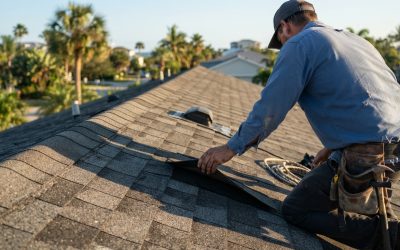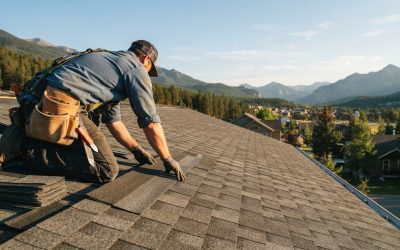
Choosing the right roofing material in Jacksonville comes down to matching a product’s wind resistance, heat tolerance, and moisture handling to the city’s humid subtropical climate. Homeowners who skip this step often end up replacing roofs years earlier than expected because the material was never suited to coastal conditions in the first place.
Jacksonville’s weather presents a specific set of challenges: salt air near the coast, heavy summer rain, intense UV exposure, and the occasional tropical storm or hurricane threat. A roof replacement in Jacksonville, FL, project should start with an honest look at how a given material performs under those exact conditions rather than relying on national averages that assume a milder climate.
Why Local Climate Should Drive Material Selection
Florida’s building code reflects just how seriously the state takes wind and moisture resistance. The florida building code wind-borne debris and high-velocity hurricane zone provisions require roofing assemblies in many coastal counties to meet specific impact and uplift standards, which directly affects which materials and fastening methods are approved for use.
Three climate factors matter most for roofing decisions in this region:
- Humidity and moisture – promotes algae growth and can shorten the life of poorly ventilated roofs.
- UV intensity – accelerates granule loss on asphalt shingles and fading on tile and metal finishes.
- Wind exposure – requires proper fastening patterns and material wind ratings, especially during hurricane season.
A material that performs well in a dry, temperate climate may not hold up the same way under Jacksonville’s combination of heat, rain, and storm activity.
Comparing Common Roofing Materials
Homeowners typically weigh three main categories when planning a replacement. Each has distinct tradeoffs in cost, lifespan, and climate suitability.
| Material | Typical Lifespan | Wind/Storm Performance | Maintenance Needs |
| Asphalt shingles | 20-30 years | Good with proper fastening; varies by rating | Moderate; periodic inspection for granule loss |
| Metal roofing | 40-70 years | Strong wind and impact resistance | Low; occasional coating checks |
| Concrete or clay tile | 50+ years | Very strong when properly installed | Low to moderate; watch for cracked tiles |
Asphalt remains popular because of lower upfront cost and wide availability, while metal and tile appeal to homeowners prioritizing longevity and storm resilience over a longer ownership period.
Matching Material to Roof Slope and Structure
Not every material suits every roof design. Steeper slopes shed water faster and can support heavier materials like tile, while lower-slope roofs often perform better with asphalt shingles or certain metal panel systems. A structural assessment before replacement helps confirm the roof deck can handle the chosen material’s weight, particularly with tile.
Steps to Choosing the Right Roofing Material
A methodical approach reduces the chance of costly mistakes during a replacement project.
- Assess current roof condition – identify whether damage is isolated or indicates the need for full replacement.
- Review local wind and code requirements – confirm the material meets Jacksonville’s permitting standards.
- Compare lifespan against budget – weigh upfront cost against expected years of service.
- Consider aesthetic and resale factors – some materials affect home value differently in coastal neighborhoods.
- Get a professional inspection – a trained eye can catch deck or ventilation issues invisible from the ground.
Skipping steps like code review or professional inspection is one of the most common reasons replacement projects run into unexpected costs mid-project.
Frequently Asked Questions
How long does a roof replacement typically take in Jacksonville? Timelines vary based on material, roof size, and weather delays, but most residential replacements are completed within a few days once materials are on site.
Is metal roofing worth the higher upfront cost in Florida? Many homeowners find the extended lifespan and storm resistance offset the higher initial price, particularly in wind-prone coastal areas.
Do I need a permit for a roof replacement? Yes, roof replacements in Jacksonville generally require a permit to confirm the work meets current building code standards.
Can I replace just part of my roof instead of the whole thing? Partial replacement is sometimes possible for isolated damage, but a full inspection is needed to confirm the rest of the roof is structurally sound.
Making a Confident Material Decision
Choosing a roofing material is ultimately a balance between upfront budget, expected lifespan, and how well a product handles Jacksonville’s specific climate pressures. Homeowners who take time to compare these factors tend to end up with roofs that perform better over the long term and require fewer unplanned repairs.
For homeowners weighing options or needing a professional assessment before committing to a material, Top Gun Roofing, Inc offers local roofing expertise suited to the region’s climate demands. A direct conversation with an experienced roofing professional remains one of the most reliable ways to confirm which material fits a specific home and budget.