A custom home should not only reflect who a family is today. It should anticipate who they may become over the next 10, 20, or 30 years. For growing families, thoughtful floor plan design plays a major role in how well a home adapts over time.
Future-proof design starts during the custom home design and build process, when families work through how they actually live. Where do kids play? How much supervision is needed? Will home offices eventually become bedrooms? Could a bonus room later serve as a study space or guest suite? These questions shape layouts that stay functional long after move-in.
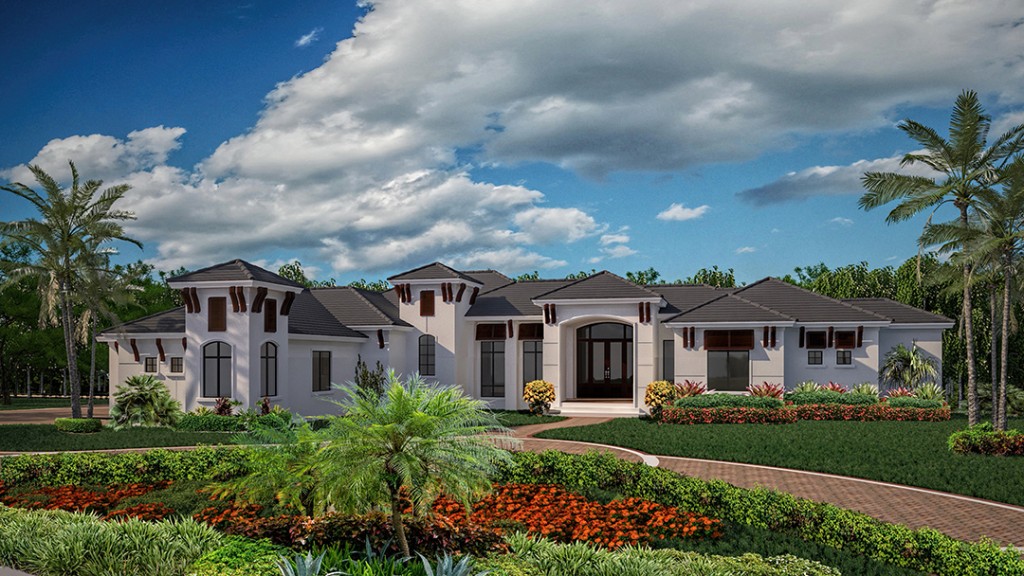
You can see flexible, family-oriented planning throughout Rainier’s custom homes portfolio. Many homes include open main-level living areas for everyday connection, paired with quieter zones for homework, reading, or rest. Bedrooms are often grouped in ways that support young children now while still allowing privacy as they grow older.
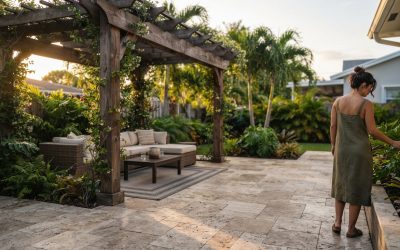
In the Seattle area, lot size and topography often influence how families use space. Working with experienced Seattle custom home builders helps ensure layouts take advantage of natural light, outdoor access, and usable yard space while still maintaining safety and supervision.
For families already living in a home that no longer fits their needs, Rainier’s renovation and remodeling services make it possible to reconfigure layouts rather than relocate. Bonus rooms become bedrooms, walls shift to create play areas, and basements transform into teen hangouts or homework zones. These types of changes are visible in Rainier’s before-and-after projects, where homes evolve alongside the families who live in them.
Future-proofing also means thinking about storage, durability, and safety. Built-in organization, rounded edges, wider hallways, and durable finishes all support daily life with kids while keeping maintenance manageable.
A well-designed family home does not lock people into a single stage of life. It provides flexibility. Spaces can change purpose, layouts can adapt, and the home continues to feel relevant as needs shift.
When families invest in custom design with long-term adaptability in mind, they are not just building a house. They are creating a home that can support every chapter ahead.