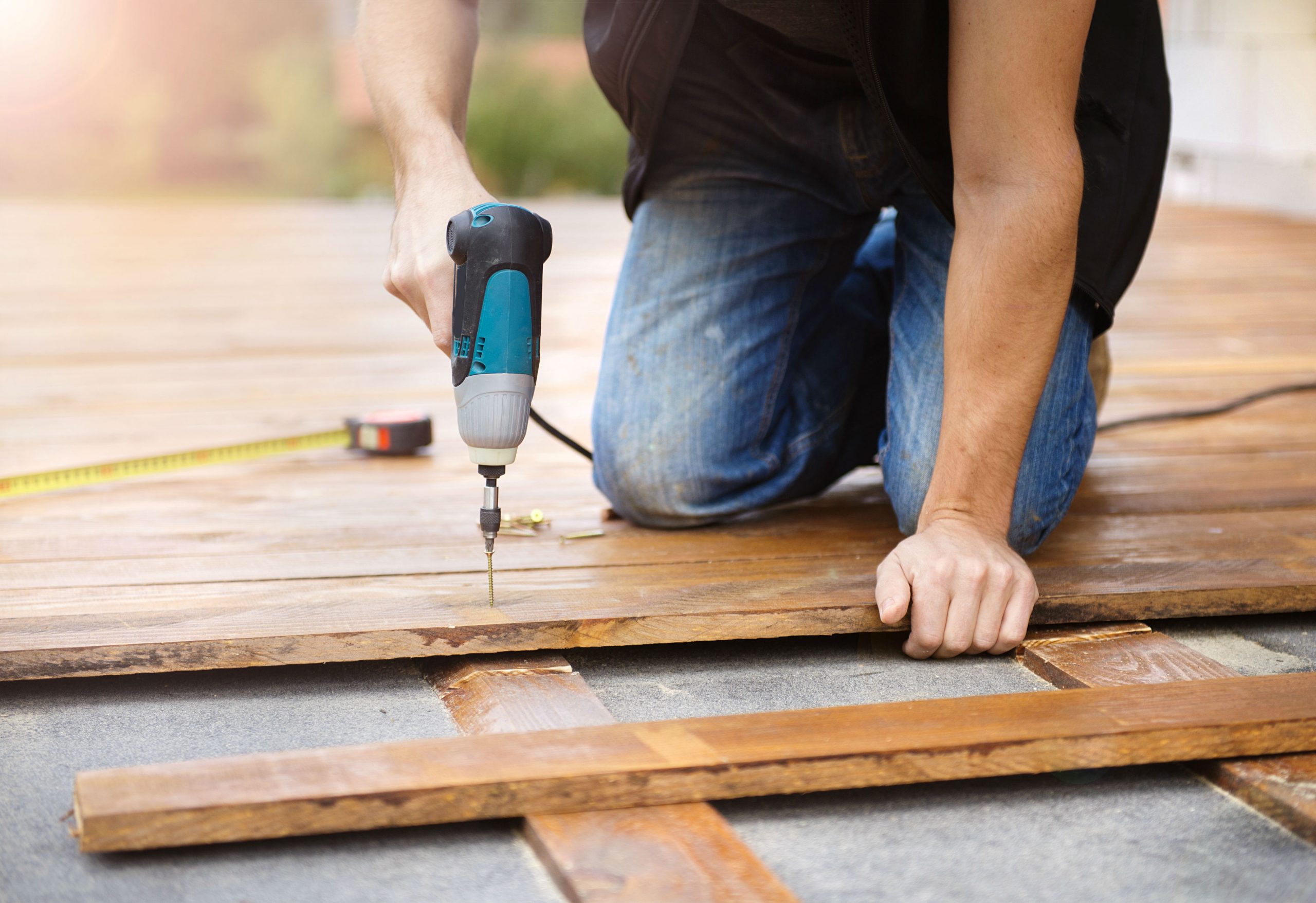
What to Know Before Scheduling Flooring Installation in Clermont, FL
Bottom line:
- Flooring installation in Clermont FL typically covers vinyl tile, hardwood, and carpet, with material choice, subfloor condition, and ventilation shaping cost and timeline.
- A pre-installation walkthrough helps catch moisture or leveling issues before they turn into delays.
- Local installers familiar with Central Florida humidity can recommend materials suited to the climate.
Scheduling a flooring project in Clermont starts with matching the right material to your household’s traffic, moisture exposure, and budget, then confirming subfloor condition before any installer sets a date. Most delays trace back to skipped prep work rather than the installation itself.
Homeowners researching Flooring Installation in Clermont, FL usually compare a handful of material types before settling on one. Vinyl tile, hardwood, and carpet each carry different maintenance expectations, moisture tolerance, and price points, which makes an early consultation worthwhile rather than optional.
Comparing Common Flooring Materials for Central Florida Homes
Material selection in Clermont tends to follow humidity and household use rather than style alone. A quick side-by-side helps frame the tradeoffs before a contractor visit.
| Material | Moisture Tolerance | Typical Use Case | Maintenance Level |
| Vinyl Tile | High | Kitchens, bathrooms, entryways | Low |
| Hardwood | Low to Moderate | Living rooms, bedrooms | Moderate to High |
| Carpet | Low | Bedrooms, low-traffic rooms | Moderate |
Each option changes the prep steps a flooring crew needs to complete. Vinyl tile, for instance, generally requires a flatter subfloor but tolerates spills and humidity swings better than hardwood.
Steps Involved Before the Installation Date
A flooring project moves faster when a few groundwork items are handled before the crew arrives. Most reputable installers walk through these steps during a consultation.
- Measure the space and confirm material quantities needed.
- Inspect the subfloor for moisture, unevenness, or prior damage.
- Select underlayment or adhesive suited to the chosen material.
- Clear furniture and confirm access routes for delivery and removal.
- Set a realistic timeline based on room size and material type.
Subfloor inspection matters more in Florida than in drier climates because ground moisture and seasonal humidity can affect adhesives and wood expansion. New flooring materials, including vinyl and carpet systems, continue to release volatile organic compounds for a period after installation, and the EPA’s indoor air quality guidance for schools notes that proper ventilation during the first 72 hours can meaningfully reduce those emissions. Homeowners can apply the same ventilation principle at home by airing out rooms and running fans after installation, regardless of which material they choose.
Questions to Ask Before Hiring a Flooring Contractor
A short list of questions during the estimate phase can prevent miscommunication later. Clarity upfront tends to reduce change orders mid-project.
- Does the quote include removal and disposal of old flooring.
- What subfloor repairs, if any, are anticipated before installation begins.
- Which underlayment or adhesive is recommended for the chosen material.
- How long will the space be unusable during and after installation.
Asking about product samples before committing is also reasonable, since lighting in a showroom can look different from lighting in a living room. A brief consultation, whether in person or through a showroom visit, often resolves most of these questions without extra site visits.
Planning Timeline and Budget Expectations
Flooring timelines vary by material and room count, but homeowners can generally expect single rooms to take one to a few days depending on subfloor prep. Larger whole-home projects extend further, particularly when multiple material types are involved across different rooms.
Budget planning should account for both material cost and labor, since removal of existing flooring, leveling compounds, or trim work can add to the total beyond the base installation price. Getting a written estimate that separates these line items makes comparison between quotes more straightforward.
Frequently Asked Questions
How long does flooring installation usually take? Timelines depend on room size, material, and whether subfloor repair is needed, with single rooms often completed faster than whole-home projects.
Is vinyl tile a good choice for Florida humidity? Vinyl tile generally tolerates moisture and humidity better than hardwood, making it a common choice for kitchens, bathrooms, and entryways in Central Florida homes.
Do I need to leave the house during installation? Most installations allow homeowners to remain on site, though keeping the work area clear and well-ventilated afterward is recommended.
What should I ask during a flooring estimate? Ask about removal and disposal of old materials, subfloor condition, recommended underlayment, and an estimated completion timeline before signing an agreement.
Homeowners in Clermont who take time to compare materials, confirm subfloor readiness, and ask the right questions during an estimate tend to have smoother installation experiences overall. Adroit Property Solutions, Inc. works with Central Florida homeowners on flooring projects and can walk through material options and site-specific considerations during a consultation. Reaching out before committing to a material gives homeowners a clearer sense of cost, timeline, and the prep work involved.