Quick take:
- Residential construction in Helena, MT typically moves through site evaluation, permitting, design finalization, and phased building, with local zoning and setback rules shaping the timeline.
- Choosing a Helena-based general contractor with direct owner involvement can simplify communication across every phase of a custom build.
- Early permit submission and clear budgeting with a contingency fund reduce delays once construction begins.
A successful residential construction project in Helena starts with sequencing the right steps in order: site and zoning checks, financing and permits, design finalization, then phased construction through final inspection. Skipping or rushing any one of these stages is the most common reason projects stall or run over budget.
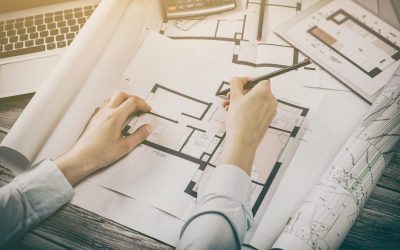
Homeowners searching for guidance on Residential Construction in Helena, MT are usually weighing a new build, a major addition, or a full remodel against the realities of Montana’s climate, local permitting, and lot-specific site conditions. Helena’s mix of valley flatland and foothill terrain means soil testing and grading decisions often look different from one address to the next, even within the same neighborhood. Understanding these variables before finalizing a design helps prevent costly mid-project changes.
Why Early Planning Shapes the Entire Build
The groundwork laid before construction begins determines how smoothly the rest of the project runs. A rushed start, particularly around permitting and site evaluation, tends to surface as delays later.
- Confirm zoning, setbacks, and lot restrictions with the city or county planning office before finalizing architectural plans.
- Order soil tests, surveys, and utility verification early, since these steps can take weeks to schedule and gate every later phase.
- Submit permit applications as soon as plans are finalized rather than waiting until the lot is fully prepped.
According to NAHB’s permitting research, permitting delays remain one of the most cited obstacles to predictable home construction timelines nationally, which makes early submission a practical safeguard rather than an optional step.
Key Phases of a Residential Build in Helena
Site Preparation and Foundation
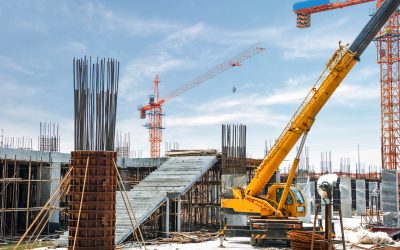
Excavation, grading, and foundation work set the structural baseline for the home. Proper grading directs water away from the foundation, which matters particularly in areas with heavy snowmelt runoff.
Framing and Rough-In Inspections
Once the frame is up, inspectors verify that connections, openings for doors and windows, and structural elements match the approved plans. Plumbing, electrical, and mechanical rough-ins typically follow framing approval.
Interior Finishing and Final Walkthrough
The finishing phase covers drywall, cabinetry, flooring, and fixtures, followed by a punch list review before the final inspection. This is the homeowner’s last chance to flag deficiencies before move-in.
Choosing a Builder for a Custom Home Project
The contractor selected for a residential project directly affects communication, scheduling, and craftsmanship outcomes. Helena’s custom home market includes builders who take on a limited number of projects annually to maintain closer oversight of each build.
| Consideration | What to Look For |
| Owner involvement | Direct contact with the builder throughout design and construction |
| Local experience | Familiarity with Helena-area soil, grading, and climate conditions |
| Project scope | Builders who specialize in custom homes, additions, or remodels rather than spreading across unrelated trades |
| Communication style | Clear updates for both local and out-of-state clients managing a Montana build remotely |
Cotton Construction, a Helena-based general contractor, is one example of a firm structured around this model. The company specializes in custom homes, additions, and remodels, and the owner works directly with clients from the first conversation through final walkthrough, which is a structure worth comparing against when evaluating builders for a residential project.
Frequently Asked Questions
How long does residential construction typically take in Helena? Timelines vary by project size and complexity, but phases generally follow site prep, framing, rough-in, finishing, and final inspection, with permitting and weather conditions influencing the overall schedule.
What should be budgeted beyond the builder’s estimate? A realistic budget includes land costs, permit fees, utility hookups, and a contingency fund, since unforeseen site conditions can affect the final cost.
Do I need a licensed professional for structural plans? Structural engineering calculations prepared by a licensed professional are a standard requirement for permit approval on most new residential construction and major renovation projects.
Is it better to hire a builder who specializes in custom homes? A builder focused specifically on custom residential work, rather than a broad mix of commercial and unrelated trades, often brings more consistent attention to design details and client communication throughout the build.
Planning a residential construction project in Helena comes down to sequencing: confirm the site and zoning details, secure financing and permits early, and choose a builder whose process matches the scale and complexity of the project. For homeowners comparing local custom home builders, reviewing the Cotton Construction Google Business Profile offers a practical starting point for checking service details and client feedback before reaching out for a project consultation.